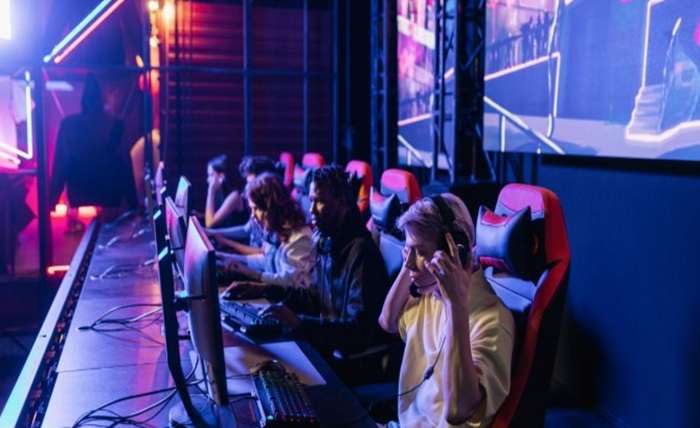
Have you ever logged into an online game and felt like you were stepping into a place where people already shared jokes, habits, and unspoken rules? That feeling is a big reason online gaming often feels less like a product and more like a culture you can join.
People do not enter online games only for mechanics or competition. They show up for shared language, familiar rituals, and the comfort of seeing the same kinds of social patterns that exist in sports, music scenes, and local clubs. The screen may be digital, but the social signals feel very human.
What makes this culture stand out is how easy it is to participate. You do not need a certain city, school, or background to start taking part. You only need access, curiosity, and a willingness to learn how people in that space talk, cooperate, and celebrate progress.
Shared Rules Create A Sense Of Belonging
Every online game teaches people how to belong by giving them a common structure to work inside.
Common Goals Make Strangers Feel Familiar
In many online games, strangers quickly become teammates because they are solving the same problem at the same time. A shared objective shortens the usual social distance between people. You may know nothing about someone’s age, job, or hometown, yet cooperation starts fast because the task creates immediate trust.
This kind of trust grows from action instead of biography. Players learn who communicates clearly, who stays calm under pressure, and who helps others recover after mistakes. That process mirrors how culture forms in offline groups, where repeated action creates reputation.
Rules Shape Behavior And Expectations
Culture needs boundaries, and games provide them through systems, roles, and accepted behavior. People learn what counts as fair play, what counts as rude behavior, and what kinds of teamwork earn respect. These expectations are not random. They grow out of the game’s design and are reinforced by the people who play it every day.
Even small habits can carry meaning. Greeting a team before a match, thanking others after a difficult session, or staying to help a newer player all signal membership. Communities often pass these habits around in the same way clubs pass down traditions.
Language Turns Play Into Community
One fast way gaming becomes a culture is through the words people use with each other.
Inside Terms Build Group Identity
Online gaming communities develop their own slang, abbreviations, and shorthand. These terms save time during play, but they also create identity. Knowing the language shows that you understand the setting and can follow the pace of the group.
That does not mean outsiders are shut out forever. Most players learn the vocabulary by listening, asking questions, and watching how others use it. The process feels similar to joining any community with its own shared references. Even a casual mention of DUAR77 in a chat can work like a password, showing that people often bond through familiar terms and repeated references.
Humor And Memes Keep People Coming Back
Language in gaming is not only practical. It is also playful. Teams remember odd mistakes, impossible comebacks, and funny timing. Those moments become stories retold across sessions, turning one match into a lasting social memory.
Memes matter because they give players a low-pressure way to connect. You do not have to be the most skilled person in a group to understand a running joke. Humor creates inclusion by giving people another route into the social fabric.
Rituals Make Digital Spaces Feel Lived In
Culture becomes real when participation follows patterns people recognize and repeat.
Daily And Weekly Habits Build Rhythm
Many online gaming groups form routines without anyone formally planning them. People log in after work, gather on certain nights, or set aside time for team activities on weekends. That rhythm gives the group continuity, and continuity is a major part of culture.
Regular meeting times also help friendships deepen. Familiar faces stop feeling like random usernames and start feeling like part of a dependable social circle. Predictability creates comfort, which is one reason online spaces can feel so welcoming.
Events And Milestones Give People Shared Memories
Special tournaments, seasonal updates, and major in-game achievements often become collective reference points. Players remember where they were when a difficult challenge was finally cleared or when a surprise event changed the mood of the community for a week.
Shared memories matter because they turn participation into history. A culture feels stronger when people can say, “I was there for that,” and know others instantly understand the significance.
Identity Feels Flexible But Meaningful
Online gaming gives people room to express themselves in ways that feel both personal and social.
People Choose How They Want To Be Seen
Usernames, avatars, playstyles, and communication habits all help shape identity. That kind of choice lets players present parts of themselves they want others to notice. Some become known for leadership, some for humor, and some for patience with beginners.
This flexibility matters because culture is not only about joining a group. It is also about finding your place inside it. Online games give people repeated chances to test roles and build a social identity through consistent behavior.
Status Comes From Contribution
In strong gaming communities, status often grows from visible contribution rather than formal credentials. A player earns trust by teaching tactics, organizing sessions, staying reliable, or helping maintain a positive atmosphere. That makes culture feel accessible, because belonging can be built through participation.
References also become part of how people signal shared identity. A phrase like DUAR77 LINK can function as a familiar marker inside conversation, much like a quote or callback that regulars instantly recognize.
Online Games Lower The Barrier To Joining A Group
Another reason online gaming feels joinable is that entry into the culture usually happens through action, not formal invitation.
Participation Starts Before Friendship
Many social groups ask people to fit in before they feel comfortable. Online games often reverse that order. You can participate first by joining a match, responding in chat, or helping with a task. Friendship can grow after those shared moments.
This structure helps people who are shy, new to a place, or looking for connection outside their usual circles. The activity creates enough focus that conversation does not have to carry the entire social experience. Playing together gives people something clear to do while they get comfortable.
Skill Levels Still Leave Room For Belonging
Not everyone joins for competition, and many gaming cultures make room for different kinds of members. Some people like strategy, some like social chatter, and some enjoy being part of a familiar group routine. A healthy culture can value all of those roles.
That range matters because it lets people enter at different speeds. A new player may begin by observing, then slowly contribute more as confidence grows. Belonging feels possible because the door is not limited to one type of person.
Culture Grows Through Cooperation And Conflict Repair
Strong communities are not defined by perfect harmony but by how people handle stress and friction.
Teamwork Creates Real Social Bonds
Cooperation under pressure can build fast respect. Coordinating timing, sharing resources, and adapting to setbacks teach players how others think and respond. That repeated cooperation can create bonds that feel surprisingly real, even if people have never met offline.
These bonds feel meaningful because they are tested. Trust built during a difficult session often feels stronger than small talk alone. Shared effort gives relationships weight.
Healthy Groups Teach Repair
Disagreements happen in any active community. What makes gaming feel like a culture is that groups often develop their own ways to settle tension, reset after a bad match, and move forward. Some rely on humor, some on direct communication, and some on clear team norms.
Repair matters because it protects continuity. If people can survive mistakes, losses, and frustration without the whole group collapsing, the culture feels stable enough to keep joining over time.
Why It Feels Bigger Than A Hobby
Online gaming can feel like culture because it combines identity, ritual, language, memory, and belonging in one place.
People Join A Social Pattern, Not Just A Pastime
The strongest appeal is not just play itself. It is the chance to enter an active social pattern where people already know how to welcome newcomers, share stories, mark progress, and recognize each other. That pattern gives online gaming a cultural texture that feels familiar even to someone joining for the first time.
That is why online gaming often feels so easy to step into. It offers rules to learn, people to read, habits to share, and roles to grow into. Once those parts click together, joining an online game can feel a lot like joining a living community.